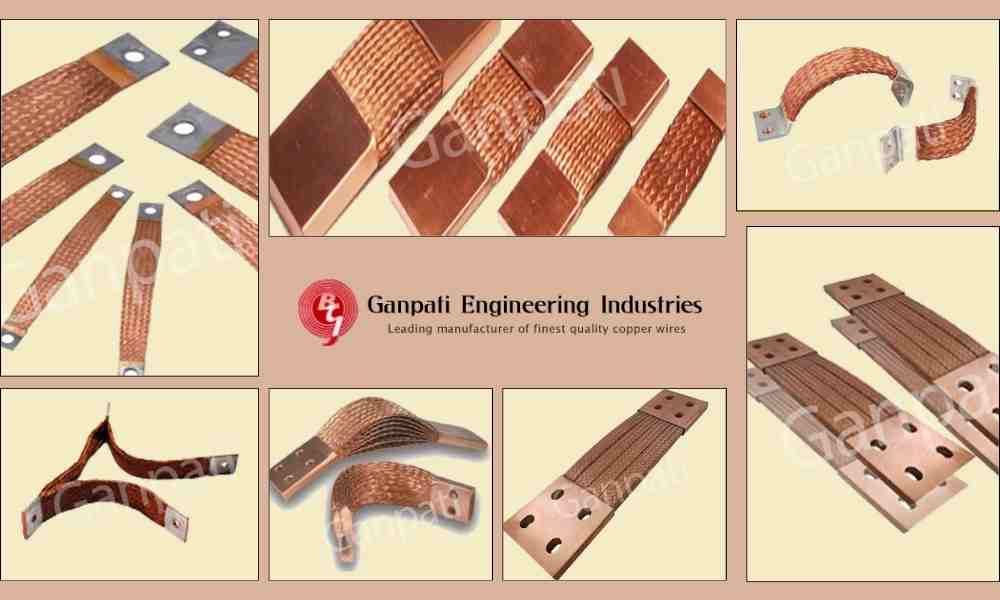
In the world of modern electrical wiring, copper jumpers stand out as essential components that keep systems running smoothly and efficiently. These flexible connectors bridge gaps between different parts of a circuit, handling movement, vibrations, and thermal changes with ease. Professionals across industries trust Braided Flexible Copper Jumpers for their ability to deliver consistent performance while adapting to real-world conditions.
What Are Copper Jumpers?
Copper jumpers are specially designed electrical links made from high-purity copper. They connect busbars, transformers, generators, and other equipment where rigid connections would fail over time. Think of them as the flexible bridges that maintain perfect electrical flow even when parts shift slightly due to heat or mechanical stress. Their construction allows for expansion and contraction without losing conductivity, making them a smart choice for any setup that needs reliability.
Copper itself brings outstanding natural properties to these jumpers. It conducts electricity better than most materials, stays strong under heavy loads, and resists oxidation effectively. When crafted into jumpers, this metal ensures minimal energy loss and maximum safety. Whether in a small control panel or a large industrial plant, copper jumpers quietly support the entire system.
Why Copper Jumpers Matter in Today’s Electrical Systems
Today’s electrical setups are more dynamic than ever. Machines vibrate, temperatures fluctuate, and installations often involve tight spaces or moving parts. Copper jumpers solve these challenges beautifully by absorbing shocks and vibrations while keeping the current flowing without interruption. They reduce wear on fixed components and extend the overall life of the wiring system.
Engineers prefer them because they simplify installation and maintenance. No more struggling with stiff wires that crack under pressure. Instead, these jumpers bend gracefully into place, saving time and effort during assembly. Their compact design also helps create cleaner, more organised panels that look professional and perform exceptionally well.
Exploring the Different Types of Copper Jumpers
The beauty of copper jumpers lies in the variety available to match specific needs. Each type brings unique advantages while sharing the core strengths of copper.
Braided Flexible Copper Jumpers shine in environments that demand high flexibility and mechanical strength. Multiple fine copper strands are woven together into a braid, creating a connector that moves freely in any direction. This design handles constant motion exceptionally well, making it ideal for applications where equipment experiences regular vibration or alignment changes.
Stranded Flexible Copper Jumpers offer another excellent solution focused on current-carrying capacity combined with pliability. Thin copper wires are twisted into strands, then formed into the jumper shape. The result is a connector that carries heavy loads smoothly while remaining easy to route through complex layouts. Installers love how these jumpers balance power handling with effortless handling.
Laminated flexible copper jumpers bring a layered approach that delivers both flexibility and impressive durability. Thin copper sheets are stacked and bonded together, forming a flat, wide connector that bends in one plane while maintaining excellent contact surfaces. This construction provides low resistance and supports high-current applications where space is limited, but performance cannot be compromised.
Key Benefits of Using Copper Jumpers
One of the biggest advantages is superior conductivity. Copper jumpers create low-resistance paths that minimise power loss and heat generation. This efficiency translates into lower energy bills and cooler operating temperatures across the entire system.
Flexibility stands out as another major plus. These jumpers adapt to misalignment, thermal expansion, and mechanical movement without stressing connected equipment. The result is fewer failures and longer service intervals, giving users peace of mind.
Durability comes built-in. High-quality copper jumpers resist corrosion, maintain their shape over years of use, and perform consistently even in demanding conditions. Their robust nature means fewer replacements and reduced downtime for maintenance teams.
Ease of installation adds to their appeal. Electricians can shape and position them quickly, cutting project timelines and labour costs. The clean, professional finish also improves the overall appearance of electrical panels and switchgear.
Applications Across Diverse Industries
Copper jumpers serve countless sectors with outstanding results. In power generation and distribution, they connect transformers, circuit breakers, and busbars, ensuring a stable supply even during peak loads. Renewable energy projects rely on them heavily—solar inverters and wind turbine systems use these connectors to handle variable conditions while maintaining peak efficiency.
The automotive and transportation industry benefits greatly, too. Electric vehicles use copper jumpers in battery packs and charging systems where vibration and movement are constant. Manufacturing plants incorporate them in robotic arms, welding machines, and conveyor systems that experience frequent motion.
Data centres and telecommunications facilities depend on copper jumpers for reliable grounding and power distribution. Their ability to handle high currents in compact spaces helps keep servers cool and operational around the clock. Even marine and aerospace applications trust these connectors for their lightweight yet powerful performance in challenging environments.
Current Trends Shaping Copper Jumper Usage
The shift toward sustainable energy has boosted demand for advanced copper jumpers. Solar farms and wind parks require connectors that perform flawlessly in outdoor conditions, and modern designs meet this need with enhanced weather resistance and flexibility. Electric vehicle production continues to grow, creating new opportunities for specialised jumpers that support fast-charging infrastructure and compact battery modules.
Smart grid technology also favours these components. As power networks become more intelligent and responsive, copper jumpers provide the flexible links needed for quick adaptations and reliable connections. Their role in energy storage systems further highlights how they support the future of clean power.
Selecting the Right Copper Jumper for Your Project
Choosing the perfect jumper starts with understanding your current requirements and physical constraints. Calculate the expected load, factor in any movement or vibration, and consider the available space. Matching the right type—braided, stranded, or laminated—to the application ensures optimal performance and longevity.
Look for clear markings on current rating, material grade, and manufacturing standards. Proper sizing prevents overheating while allowing the necessary flexibility. Working with experienced suppliers helps match the exact specifications to your needs without guesswork.
Ganpati Engineering Industries stands out as a trusted name in this field. They craft premium copper jumpers using advanced techniques and strict quality controls, delivering products that consistently exceed industry expectations.
Conclusion
Copper jumpers have become indispensable in electrical wiring systems for good reason. Their combination of high conductivity, remarkable flexibility, and long-term reliability makes them the go-to solution for professionals who demand the best. Whether you choose Braided Flexible Copper Jumpers, Stranded Flexible Copper Jumpers, or laminated flexible copper jumpers, you gain connectors that enhance safety, efficiency, and performance across any project.
By understanding the different types and their strengths, you can confidently select the right option for your needs. These components do more than connect wires—they keep entire systems running smoothly, efficiently, and safely for years to come. Investing in quality copper jumpers today means building a stronger, more dependable electrical infrastructure for tomorrow. Embrace their advantages and experience the difference they bring to every installation.