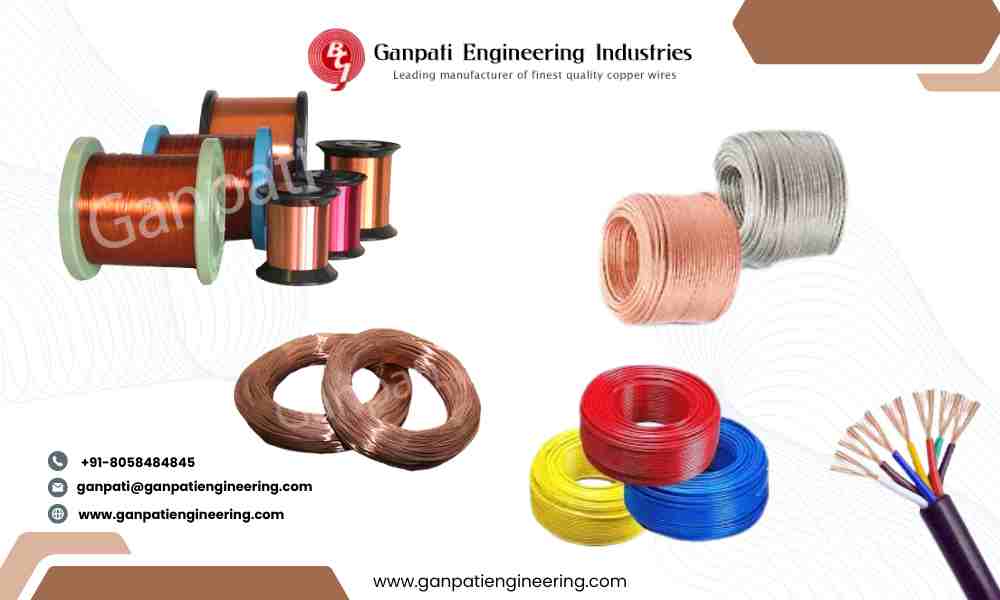
When working with electrical projects, selecting the right materials can make all the difference in performance and longevity. Stranded copper wire stands out as a popular choice due to its flexibility and excellent conductivity. This type of wire consists of multiple thin strands twisted together, making it ideal for applications where bending and movement are common. In this guide, we’ll explore practical ways to spot high-quality options, drawing from insights shared by materials science experts and industry standards.
Understanding the Basics of Stranded Copper Wire
To identify quality, it’s essential to start with a solid grasp of what this wire entails. Stranded copper wire is made by bundling several smaller wires into one conductor, which enhances its ability to handle vibrations and repeated flexing without breaking. Experts in electrical engineering emphasise that the core material—pure copper—plays a pivotal role in ensuring low resistance and efficient energy transfer.
One key aspect is the strand configuration. Higher strand counts generally offer greater flexibility, which is beneficial for installations in tight spaces or dynamic environments. Academic studies on conductive materials highlight how the twisting process contributes to the wire’s overall durability, allowing it to maintain integrity over time.
Key Features That Define Quality
Quality stranded copper wire exhibits specific traits that set it apart. Look for wires with a bright, reddish-orange hue, indicating high purity levels, often above 99.9 per cent copper content. This purity, as noted by metallurgy specialists, minimises impurities that could otherwise affect performance.
Another feature is uniform stranding. Each strand should be evenly sized and tightly twisted, promoting consistent electrical flow. Stranded copper wire jumpers, for instance, rely on this uniformity to provide reliable connections in circuit boards and automotive systems. Experts recommend checking for smooth surfaces without any rough spots, as this reflects precise manufacturing techniques.
Visual Inspection Techniques
A thorough visual check can reveal a lot about the wire’s quality. Begin by examining the insulation layer, which should be flexible yet robust, often made from materials like PVC or rubber that resist wear. High-quality insulation adheres closely to the strands, preventing moisture ingress and ensuring safety.
Pay attention to the labelling on the wire. Reputable products include clear markings for gauge size, voltage rating, and compliance with standards such as UL or IEC. These details, backed by engineering research, confirm that the wire meets international benchmarks for reliability.
In addition, observe the wire’s flexibility by gently bending a sample. It should spring back without kinking, a sign of well-engineered stranding. This hands-on approach aligns with practical advice from electrical technicians who stress the importance of tactile evaluation.
Testing for Conductivity and Strength
Beyond visuals, simple tests can verify quality. Using a multimeter, measure the resistance across a length of wire; lower values indicate superior conductivity, a hallmark of pure copper. Academic experts in physics underscore how this test correlates directly with the wire’s efficiency in transmitting electricity.
For strength, perform a pull test by securing one end and applying gentle tension. Quality wire withstands this without strands separating, thanks to advanced annealing processes that enhance tensile properties. Copper strip manufacturers in India often incorporate these processes to produce materials that excel in demanding applications.
Furthermore, consider thermal testing by exposing a small section to heat; the wire should retain its shape and conductivity, reflecting the high melting point of copper. Such evaluations, drawn from laboratory protocols, help confirm the material’s suitability for long-term use.
Sourcing from Trusted Providers
Finding quality stranded copper wire involves choosing reliable sources. Look for manufacturers with a track record of excellence in producing copper-based products. Copper tube manufacturers in India are renowned for their expertise in creating durable conductors that meet global standards.
When selecting suppliers, prioritise those who offer detailed specifications and traceability. This ensures the wire originates from refined copper sources, contributing to its overall performance. Stranded Copper Flexible Exporter entities play a key role in making these high-quality options available worldwide, facilitating access to premium materials.
Companies like Ganpati Engineering Industries are known for their commitment to producing superior copper wires, emphasising innovation in stranding techniques.
Applications and Benefits
Quality stranded copper wire finds use in various fields, from household wiring to industrial machinery. In renewable energy systems, such as solar panels, its flexibility allows for easy installation and maintenance, boosting system efficiency.
In telecommunications, the wire’s low signal loss supports clear data transmission. Benefits include enhanced safety through reduced overheating risks and longer service life, as supported by engineering analyses.
Automotive applications benefit from its vibration resistance, ensuring consistent power delivery in vehicles. Overall, opting for quality enhances project outcomes, aligning with expert recommendations for sustainable electrical solutions.
Maintenance Tips for Longevity
To maximize the lifespan of stranded copper wire, proper handling is crucial. Store it in dry, cool environments to preserve its properties, as moisture can affect insulation over time. During installation, avoid sharp bends that could stress the strands; gentle curves maintain integrity. Regular inspections, as advised by maintenance experts, help spot any wear early, ensuring continued performance. Using compatible connectors also plays a part, as they provide secure joins without compromising conductivity. These practices, rooted in best industry standards, contribute to reliable systems offered by any trusted Stranded Copper Flexible Exporter.
Conclusion
Identifying quality stranded copper wire boils down to a combination of knowledge, inspection, and testing. By focusing on purity, uniformity, and compliance with standards, you can select options that deliver exceptional results. Whether for personal projects or professional setups, prioritizing these factors leads to efficient, durable installations. Remember, investing time in evaluation pays off in the form of dependable performance, as affirmed by experts in the field. With this approach, you’re well-equipped to make informed choices in your electrical endeavors.