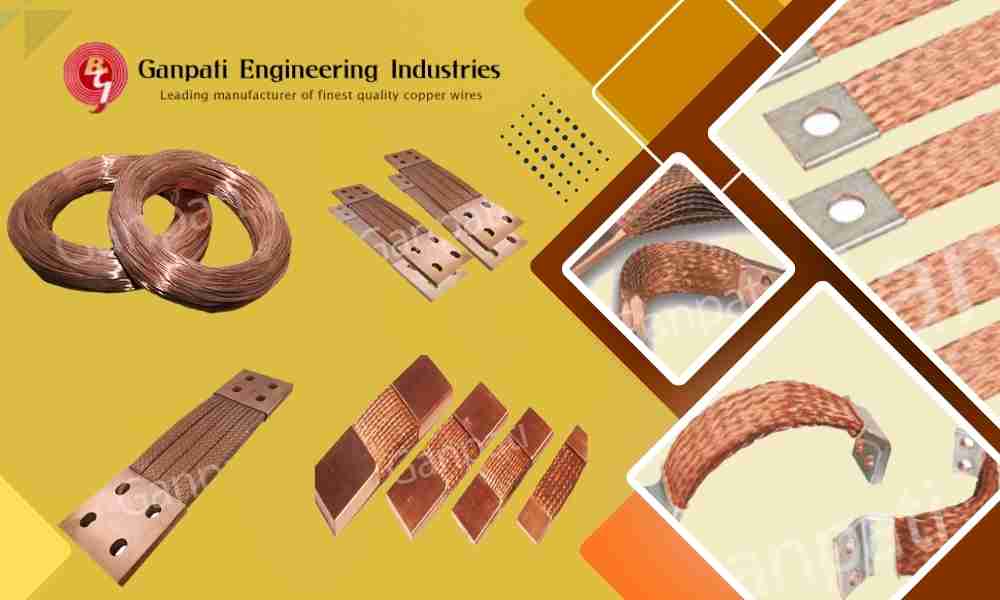
In today’s dynamic electrical systems, reliable connections make all the difference in keeping power flowing smoothly and safely. Whether you work in heavy industry, renewable energy, or large commercial setups, picking the perfect solution starts with understanding your options. One standout choice that many professionals rely on is Braided Flexible Copper Jumpers. These connectors offer excellent conductivity and the flexibility needed to handle movement without compromising performance.
Understanding the Importance of Copper Jumpers in Power Distribution
Copper jumpers serve as essential links between busbars, transformers, generators, and switchgear. They carry high currents while absorbing vibrations, thermal expansion, and minor misalignments that rigid connections simply cannot handle. When installed correctly, they reduce resistance, prevent hotspots, and support uninterrupted power flow. Modern facilities demand components that not only conduct electricity efficiently but also adapt to real-world conditions. That’s where flexible copper solutions shine, delivering long-term reliability and peace of mind for engineers and facility managers alike.
With the rise of smart grids and high-capacity equipment, the role of these connectors has grown even more critical. They help maintain system integrity during peak loads and sudden surges, ensuring safety across the entire distribution network. Professionals who prioritise quality notice immediate improvements in efficiency and reduced maintenance needs over time.
Exploring the Different Types of Copper Jumpers
Each application calls for a specific design, which is why manufacturers offer several versatile options. Let’s look at the most popular types that deliver outstanding results in various settings.
Braided Flexible Copper Jumpers stand out for their superior flexibility and strength. Crafted from multiple strands of high-purity copper woven together, they bend easily in multiple directions. This design makes them ideal for areas with frequent movement or vibration, such as motor connections or earthquake-prone regions. Their large surface area also promotes excellent heat dissipation, keeping temperatures stable even under heavy loads.
Next come Stranded Flexible Copper Jumpers, built from bundled copper strands twisted into a single conductor. These provide a balanced mix of flexibility and current-carrying capacity. Installers love how easily they route through tight spaces while maintaining low resistance. The stranded construction minimises skin effect at higher frequencies, making it a smart pick for modern electronic controls and variable-frequency drives.
Then there are laminated flexible copper jumpers, formed by stacking thin copper strips and fusing them at the ends. This layered approach delivers high mechanical strength and impressive current ratings in a compact form. They excel in applications that require movement in one plane, such as expansion joints in substations or connections near heavy machinery. The laminated structure also offers low inductance, which helps improve overall system stability.
Each type brings unique strengths, so matching the right one to your project ensures optimal performance and safety every time.
Key Factors to Consider When Selecting a Copper Jumper
Choosing the best copper jumper becomes straightforward once you focus on a few essential points. Start with the current-carrying capacity. Select a size that comfortably handles your maximum load plus a safety margin. This simple step prevents overheating and extends equipment life.
Next, evaluate flexibility needs. Consider how much movement or vibration the connection will face. Higher flexibility means better long-term reliability in demanding environments. Material purity also matters—pure copper offers the lowest resistance and best conductivity, translating directly into energy savings.
Installation ease plays a big role, too. Look for connectors with pre-drilled holes or custom terminations that fit your setup perfectly. Proper fit reduces installation time and eliminates potential weak points. Finally, check for compliance with international standards. Certified products undergo rigorous testing, giving you confidence that they will perform consistently for years.
The Advantages of High-Quality Copper Jumpers
High-quality copper jumpers bring a host of benefits that directly support safe power distribution. They accommodate thermal expansion without stress on joints, eliminating the risk of cracks or loose connections over time. Their low-resistance paths minimise energy loss, which helps facilities run more efficiently and cost-effectively.
Vibration absorption is another standout feature. In factories or near heavy equipment, these connectors keep electrical joints secure even when surrounding machinery operates continuously. The result is fewer unexpected shutdowns and smoother daily operations.
Durability stands out as well. Premium copper resists corrosion and maintains its properties through temperature swings and humidity. Many users report years of trouble-free service, which translates into lower replacement costs and higher uptime. When every component works in harmony, the entire power system operates at peak safety and performance levels.
Leading Manufacturers Setting the Standard
In India’s competitive market, a few names consistently deliver excellence. Ganpati Engineering Industries has earned a strong reputation for producing premium flexible copper connectors that meet the highest industry benchmarks. Their attention to detail and use of top-grade materials ensure every product supports safe, efficient power distribution across diverse applications.
Professionals who partner with established manufacturers like this gain access to expert guidance and custom solutions tailored to specific project needs. The result is a seamless experience from selection through installation.
Practical Tips for Installation and Use
Proper installation maximises the benefits of any copper jumper. Begin by cleaning contact surfaces thoroughly to ensure low-resistance connections. Use appropriate torque settings on bolts to avoid damaging the flexible elements while achieving a secure fit.
Route the jumper with natural curves rather than sharp bends to preserve its flexibility. Periodic visual inspections help catch any signs of wear early, though high-quality options often require very little attention. Following manufacturer guidelines keeps everything running smoothly and safely for the long haul.
Emerging Trends in Copper Jumper Technology
The electrical industry continues to evolve, and copper jumpers are keeping pace beautifully. With the growth of solar farms and electric vehicle charging stations, demand has surged for connectors that handle higher currents and extreme conditions. New manufacturing techniques now produce even more compact designs without sacrificing performance.
Tin plating and advanced coatings further enhance corrosion resistance, making these components suitable for outdoor and coastal installations. Integration with monitoring systems is another exciting development, allowing real-time tracking of connection health. These innovations help facilities stay ahead of safety requirements while boosting overall efficiency.
Conclusion
Selecting the right copper jumper is one of the smartest decisions you can make for safe, reliable power distribution. By understanding the available options—Braided Flexible Copper Jumpers, Stranded Flexible Copper Jumpers, and laminated flexible copper jumpers—and focusing on key factors like capacity, flexibility, and quality, you set your electrical systems up for success. These connectors deliver exceptional conductivity, adaptability, and longevity that modern projects demand.
Whether you manage a large industrial plant or a growing renewable energy facility, investing in the right solution pays dividends through enhanced safety, reduced maintenance, and improved performance. Trusted manufacturers continue to raise the bar, offering products that meet today’s needs while preparing for tomorrow’s challenges. Take the time to choose thoughtfully, and enjoy the confidence that comes with a power distribution system built to last. Your equipment—and your team—will thank you for it.
Frequently Asked Questions (FAQs)
Q1: What is the main difference between braided and laminated flexible copper jumpers?
A: Braided Flexible Copper Jumpers are made from woven strands and offer multi-directional flexibility, making them perfect for high-vibration areas. Laminated flexible copper jumpers consist of stacked flat strips and provide excellent strength and current capacity in a flatter, more compact profile, ideal for applications with movement mainly in one direction.
Q2: How do I know which size copper jumper I need for my application?
A: The right size depends on your maximum current load, ambient temperature, and required safety margin. Most manufacturers provide ampacity tables based on cross-sectional area (mm²) and standard conditions. Choose a jumper rated 20–30% above your expected peak load to ensure safe, long-term performance.
Q3: Can flexible copper jumpers be used in outdoor or harsh environments?
A: Yes, especially when they come with proper surface treatments like tin plating. High-quality Stranded Flexible Copper Jumpers and braided types with protective coatings perform reliably in humid, dusty, or coastal conditions, offering excellent corrosion resistance and consistent conductivity.
Q4: Are custom-made copper jumpers worth the investment?
A: Absolutely. Custom jumpers with exact hole patterns, lengths, and terminations reduce installation time, eliminate extra bends or stress points, and deliver a cleaner, more reliable connection. For critical systems or space-constrained setups, the added precision often translates into better safety and fewer future adjustments.